Parking Brake Updates
Christopher Edwards
Parking Brake – Mechanical Refinements and Design Updates
Following the initial parking brake design, I made several updates to improve the mechanical operation and refine the overall packaging.
The original prototype established the basic functionality, but there were still a few areas where I wanted to improve the design. This round of updates focused primarily on making better use of the available space, refining the mechanical travel, and addressing component availability for the position sensor.
Refining the Mechanical Design
The mechanical changes were relatively minor, but they helped improve both the packaging and operation of the control.
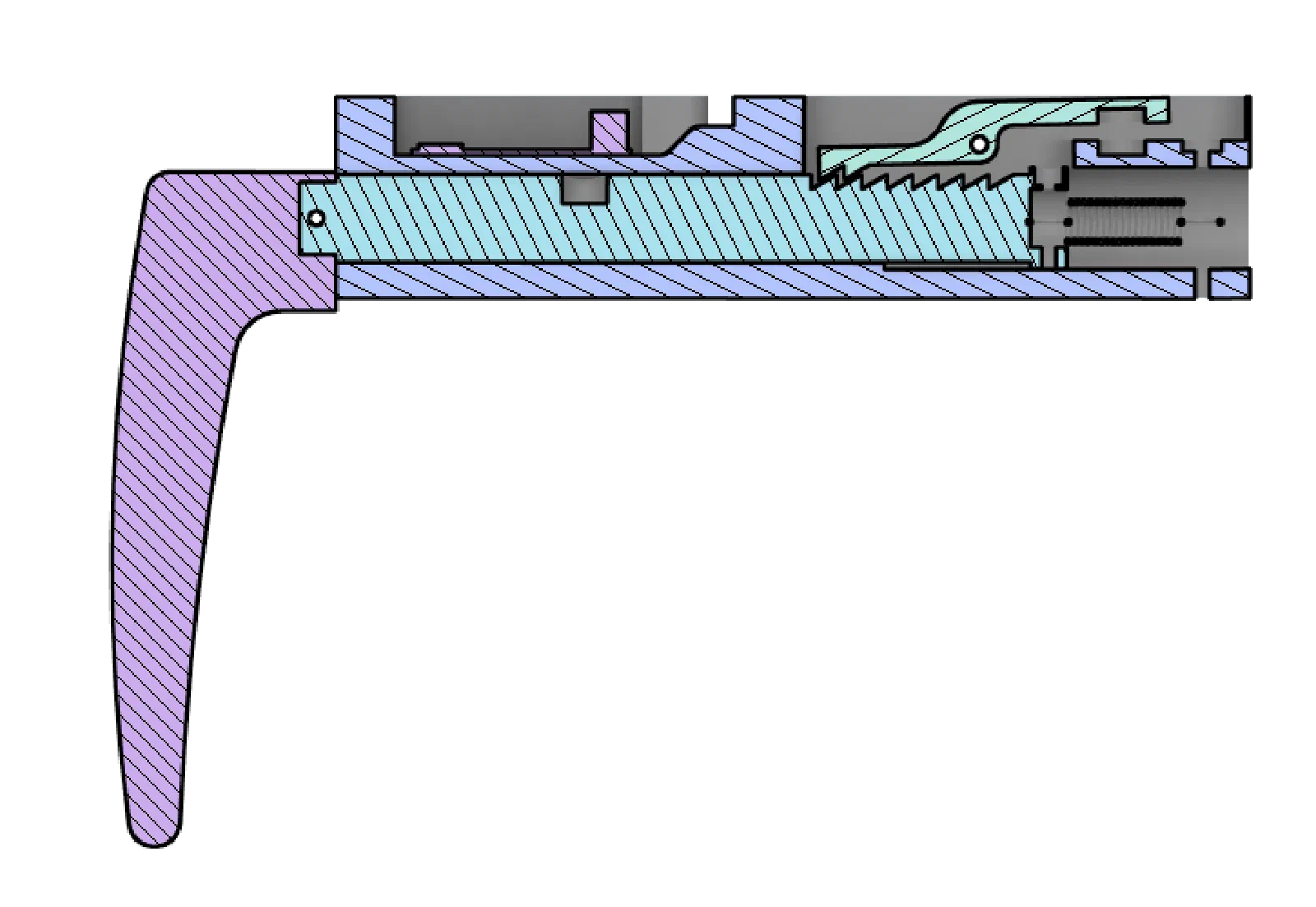
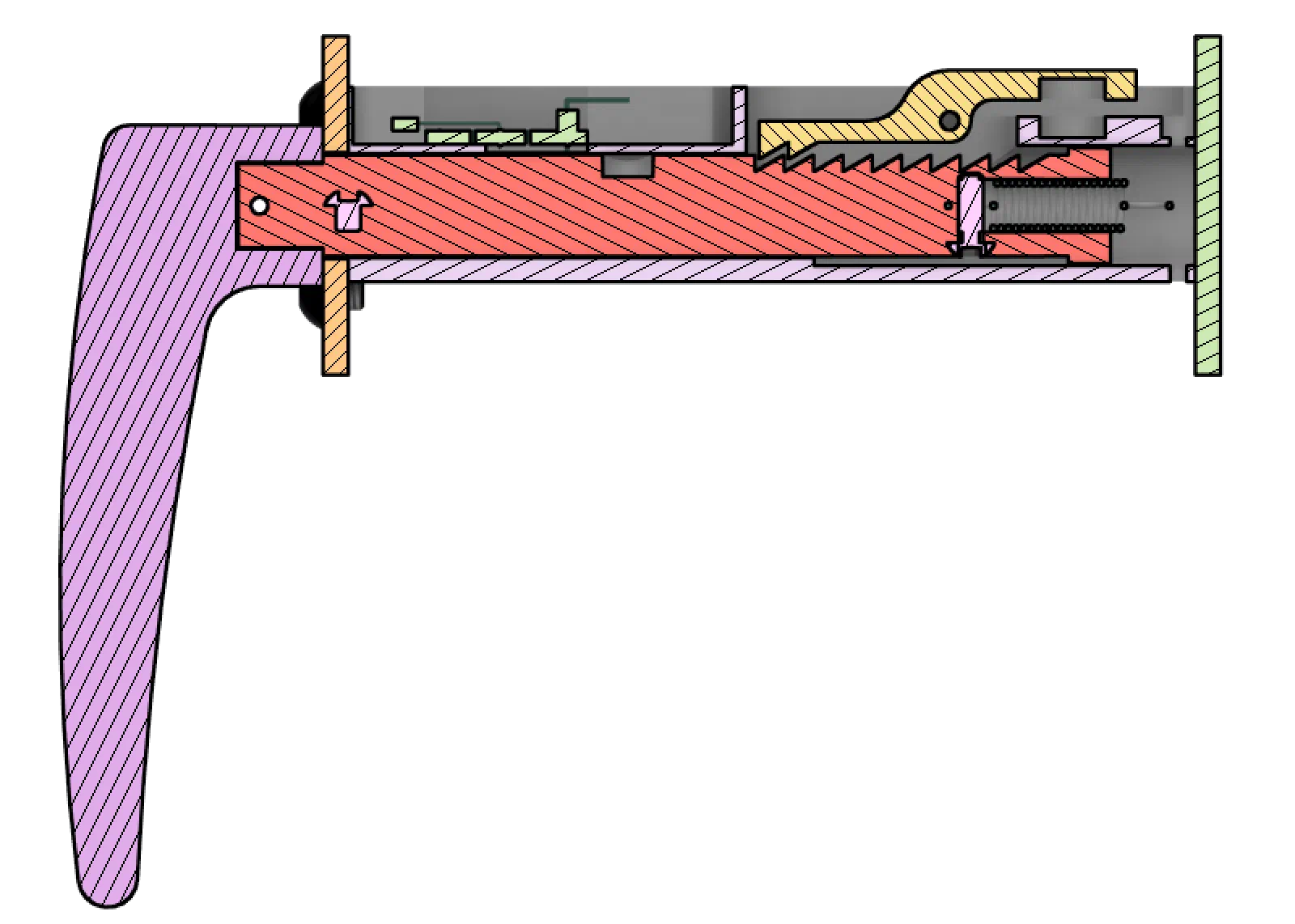
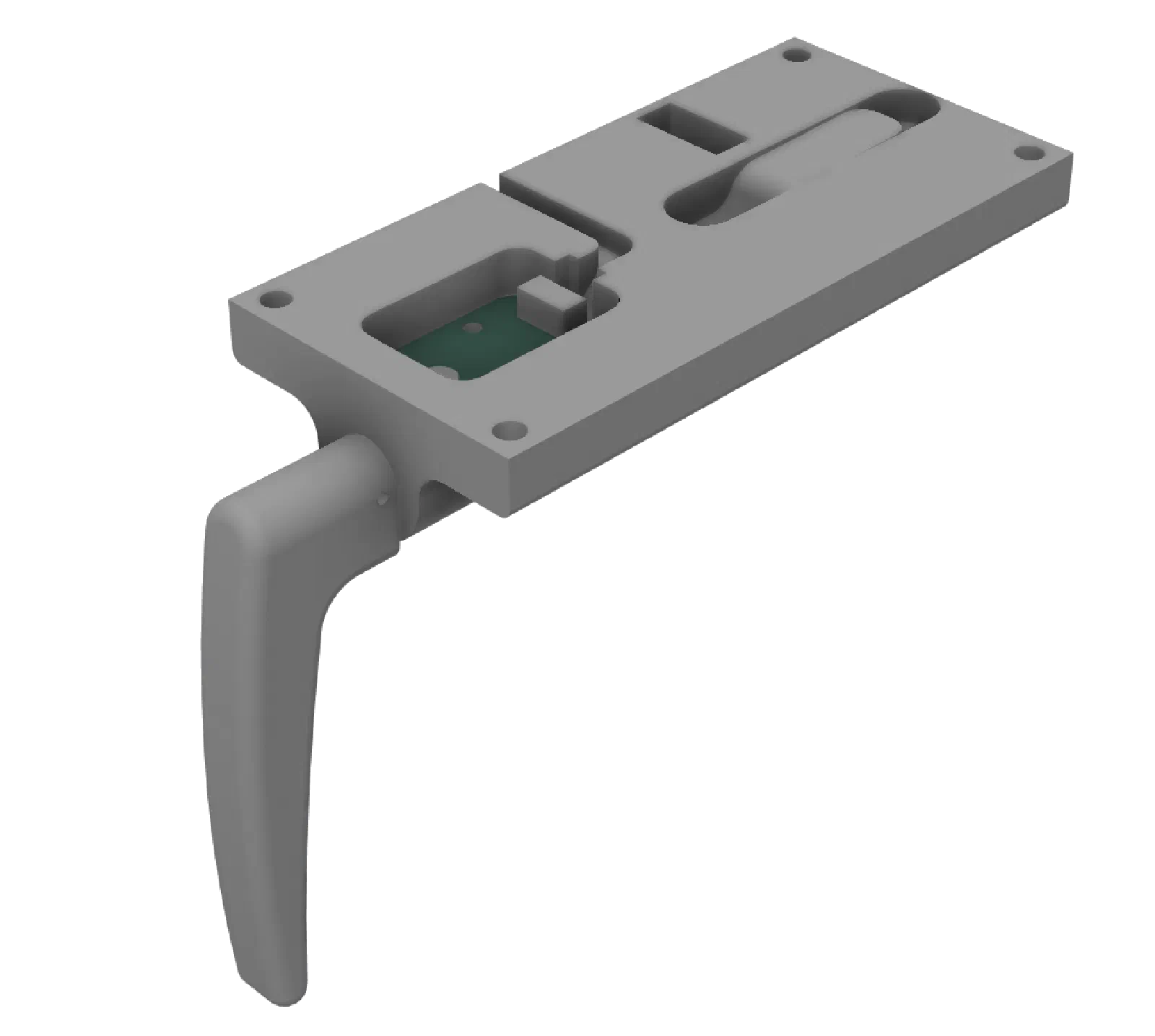
One of the main adjustments was relocating the spring within the mechanism. This allowed me to reduce the overall length of the assembly, making it possible to shorten the parking brake enclosure.
I also made a slight increase to the overall travel of the parking brake. This provides a little more movement through the engagement and release operation while maintaining the same basic pull-and-twist functionality.
Enclosure Updates
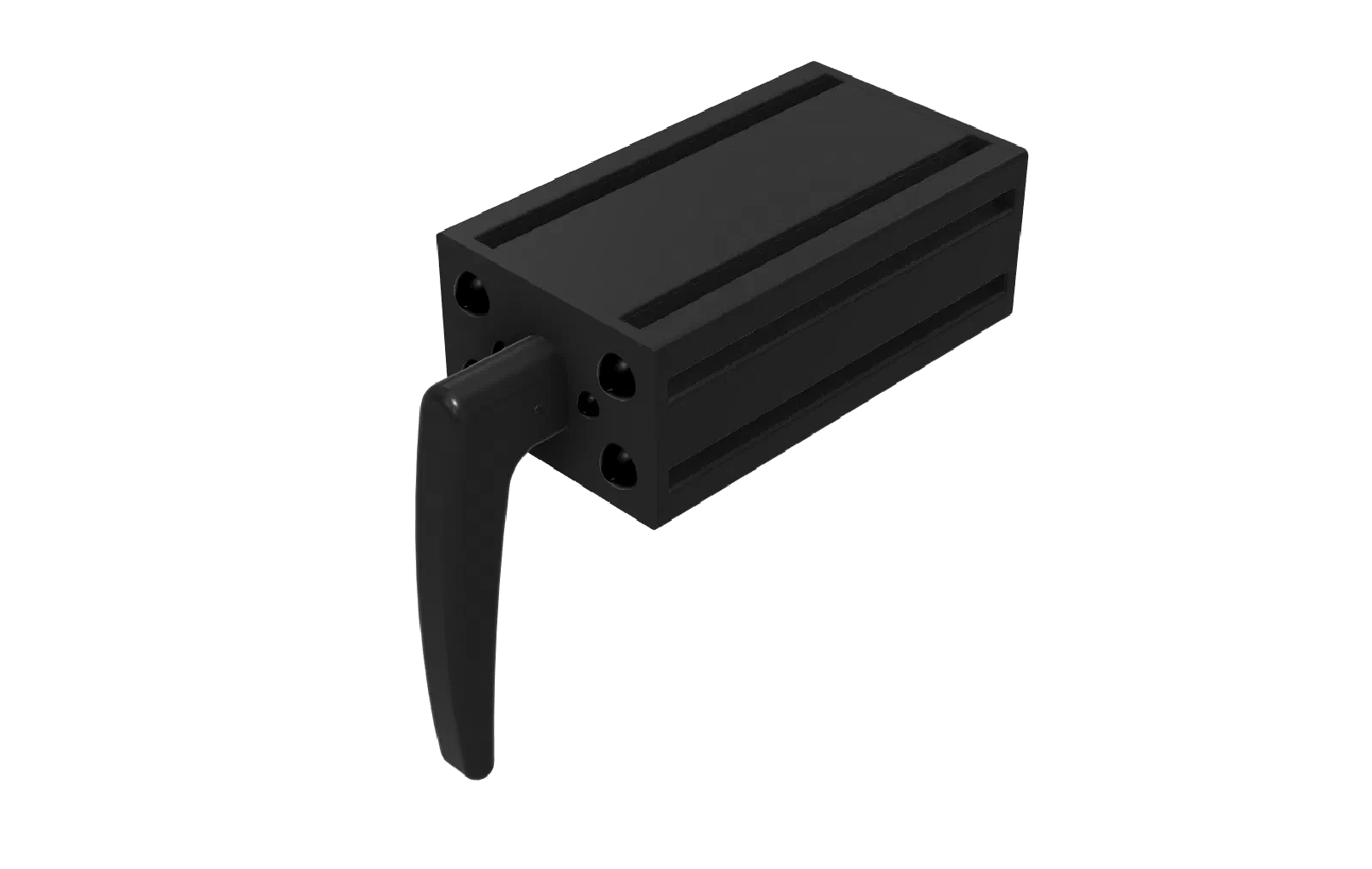
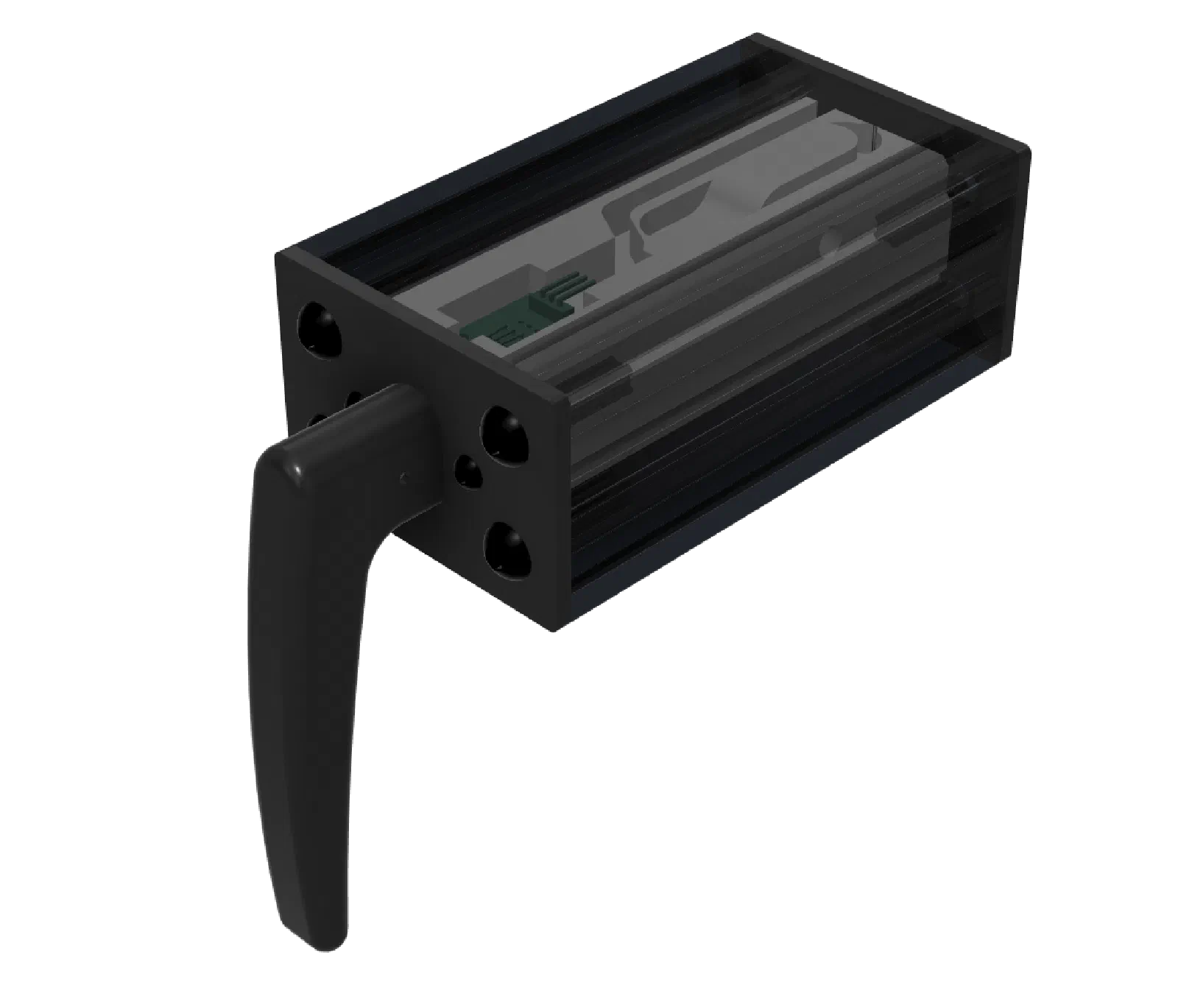
With the spring location changed and the overall mechanism shortened, the enclosure needed to be updated to match.
The revised enclosure takes advantage of the reduced length of the mechanism, resulting in a more compact standalone parking brake module.
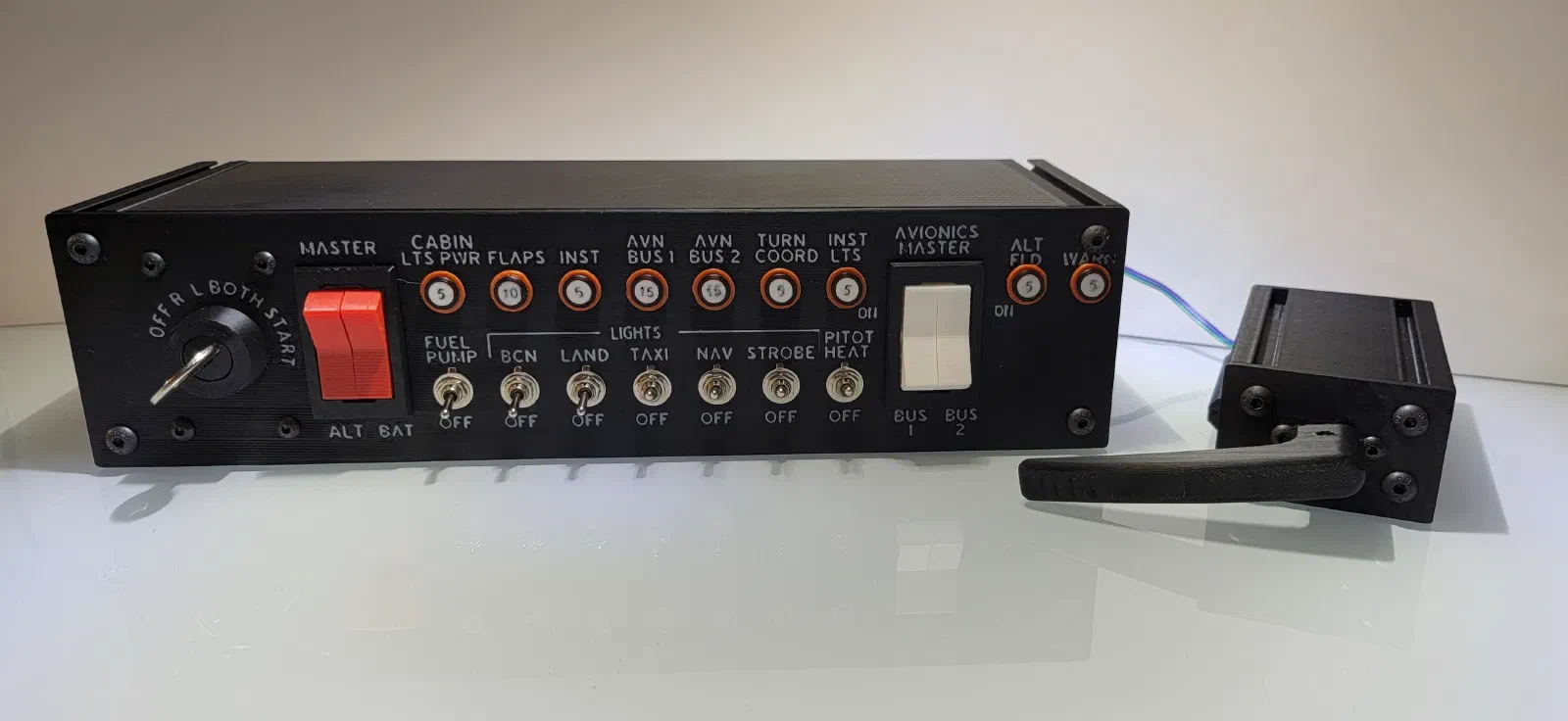
The parking brake remains a separate unit rather than being integrated directly into the Switch Box housing. This allows it to be positioned independently within the simulator cockpit while still connecting to the Switch Box controller.
Hall-Effect Sensor Update
Another change involved the position-sensing hardware.
The original design used a Hall-effect sensor to detect the position of the parking brake control. Due to availability issues with the original component, I needed to select an alternative sensor.
The overall sensing approach remained unchanged. A non-contact Hall-effect sensor detects the position of a magnet within the assembly, providing an electronic indication of the parking brake position without relying on a mechanical switch.
The replacement required some adjustments to the sensor implementation and mounting, but it allowed me to retain the same general approach while using a component that was more readily available.
Testing and Integration
With the mechanical revisions, updated enclosure, and replacement Hall-effect sensor in place, the next step was verifying everything together.
I wanted to confirm that the revised mechanism moved freely through its increased travel, that the spring provided consistent operation, and that the sensor reliably detected the parking brake position.
The completed module connects to the Switch Box, allowing the parking brake to use the existing controller and USB interface rather than requiring a separate USB connection to the computer.
Final Design
These revisions bring the parking brake another step closer to a finished design. The changes weren’t a complete redesign, but rather a series of refinements based on what I learned from the initial prototype.
Relocating the spring helped reduce the overall enclosure length, the additional travel refined the mechanical operation, and the replacement Hall-effect sensor addressed component availability.
The result is a more compact standalone parking brake module that integrates with the Switch Box while retaining the flexibility to position it independently within the simulator cockpit.